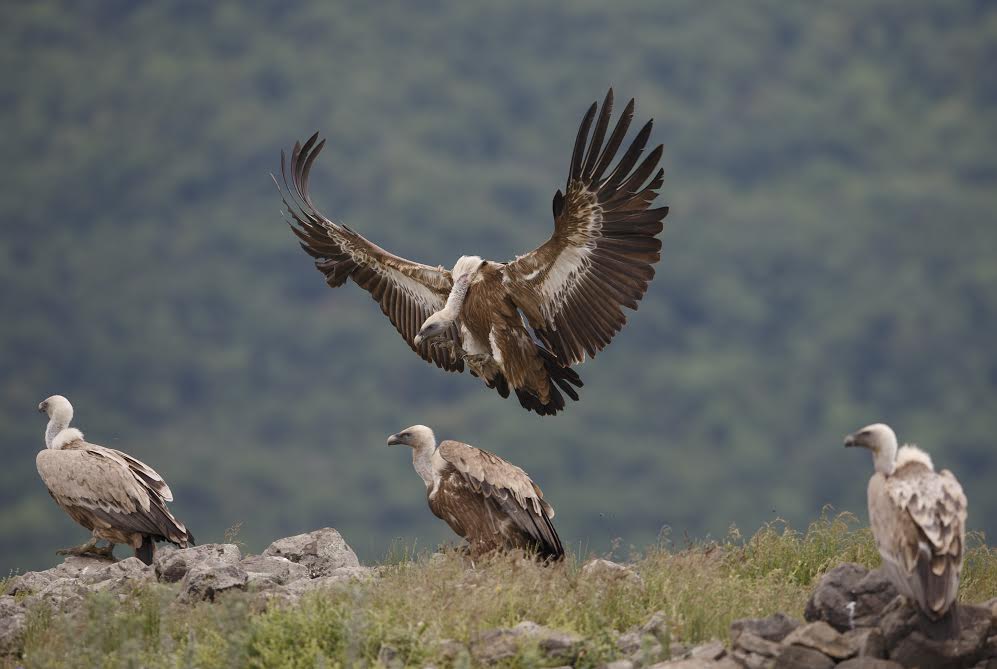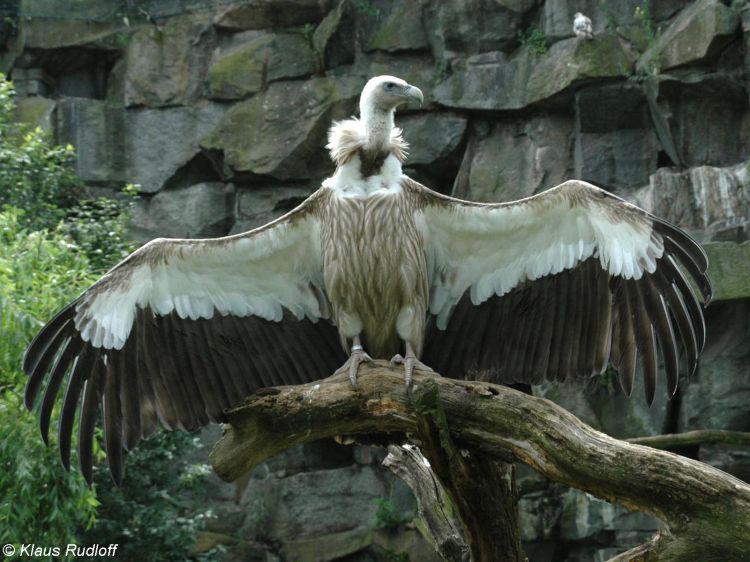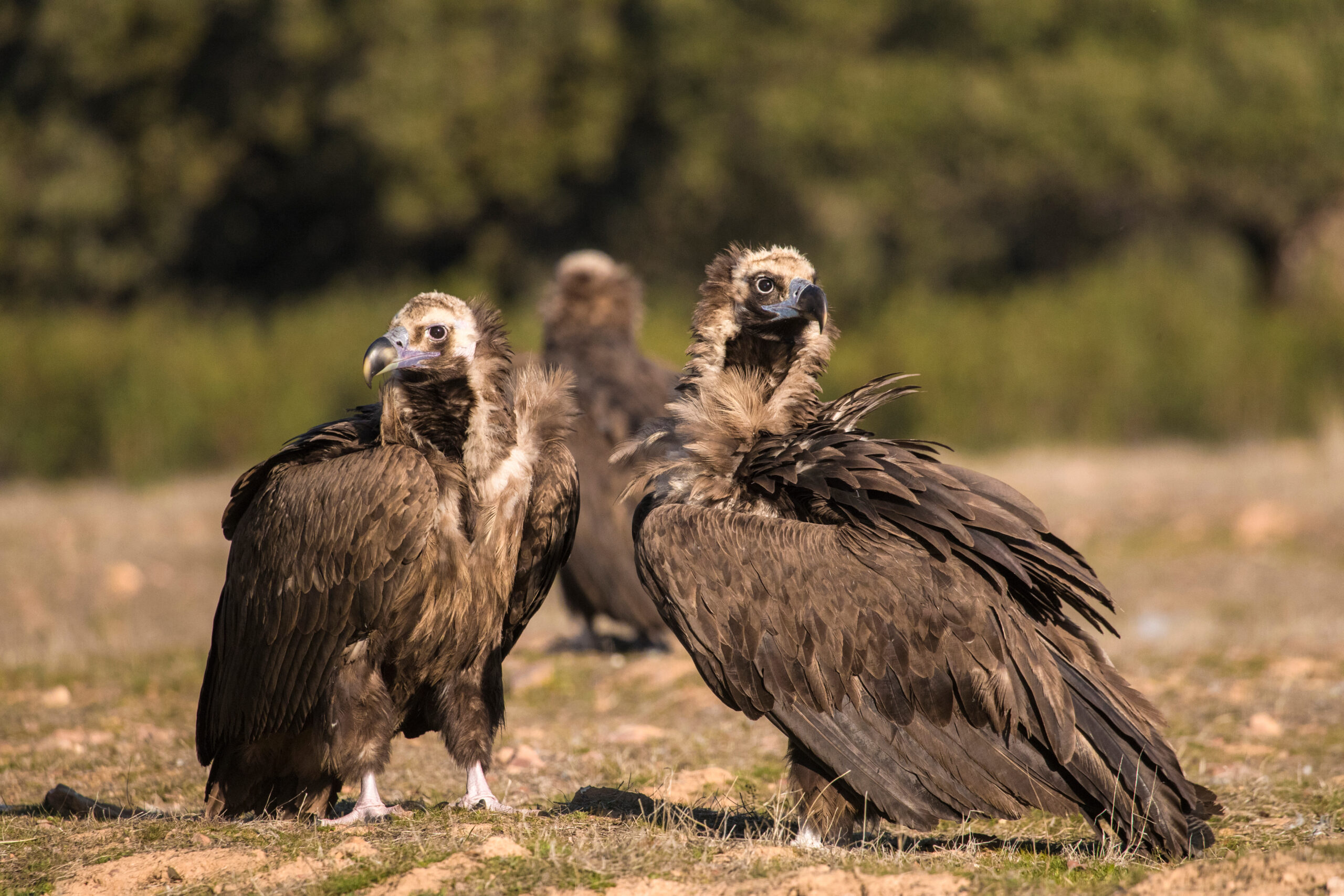
The Dadia-Lefkimi-Soufli National Forest Park in Greece is under a serious threat. A mass poisoning incident claimed victims of seven different species. A cruel and senseless act in the middle of the breeding season, that undermines decades of conservation action and the main cinereous vulture population in the Balkans.
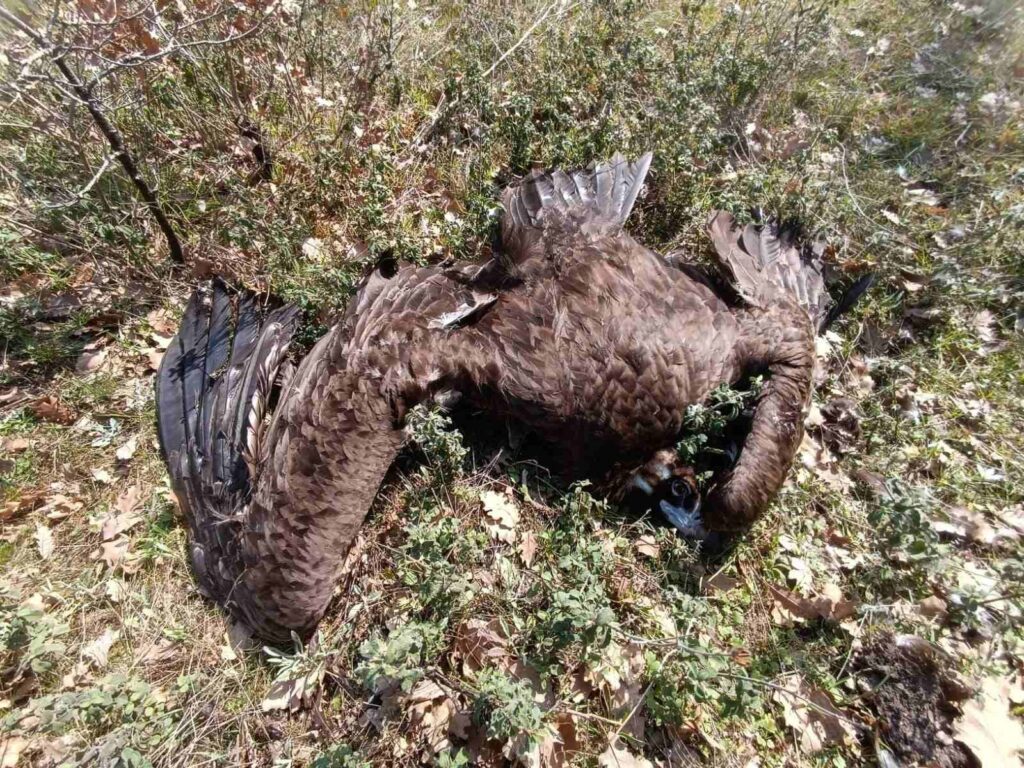
One wolf, five foxes, four ravens, four buzzards, one beech marten, and twelve Cinereous Vultures. This is the devastating count of the victims of a single poison incident in the Dadia-Lefkimi-Soufli Forest National Park in Northeast Greece, close to Bulgaria and Turkey. Three of the Cinereous Vultures were rescued. Two of them were released after treatment, and one is being rehabilitated, but nine individuals, many of them breeding adults, have died. The incident hit the heart of Cinereous Vulture Conservation in the Balkan Peninsula.
The Dadia-Lefkimi-Soufli National Forest Park is home to the last remaining historical breeding colony of the species in the Balkans. During the last three years, it had between 36 and 47 breeding pairs of Cinereous Vultures. In recent years, the colony has begun to recover from the wildfire that devastated the area in 2023, thanks to local and international conservation efforts. The loss of even a few individuals in the middle of the breeding season is a critical blow to the colony’s survival and, consequently, to species conservation in the area.
A cascading tragedy
The first signs of a poisoning incident were found by the Police on March 11. A routine patrol found a dead and a sick Cinereous Vulture (Aegypius monachus) on the side of the road. They immediately contacted the local conservation teams and began searching for the poisoned bait. The vulture that was rescued was a bird that had been captured and ringed in 2016 (so at least 10 years old) in Dadia, and was probably breeding nearby.
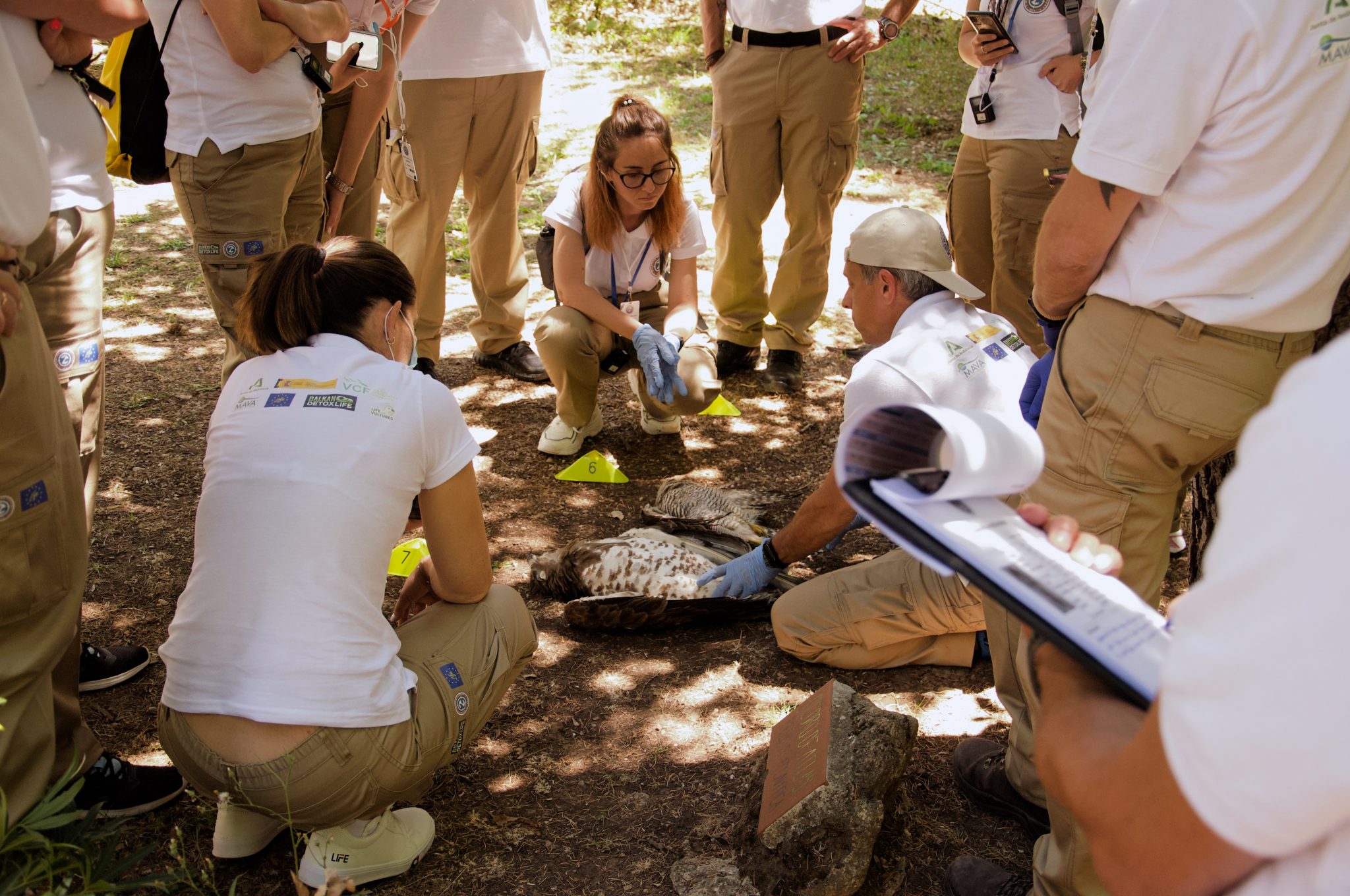
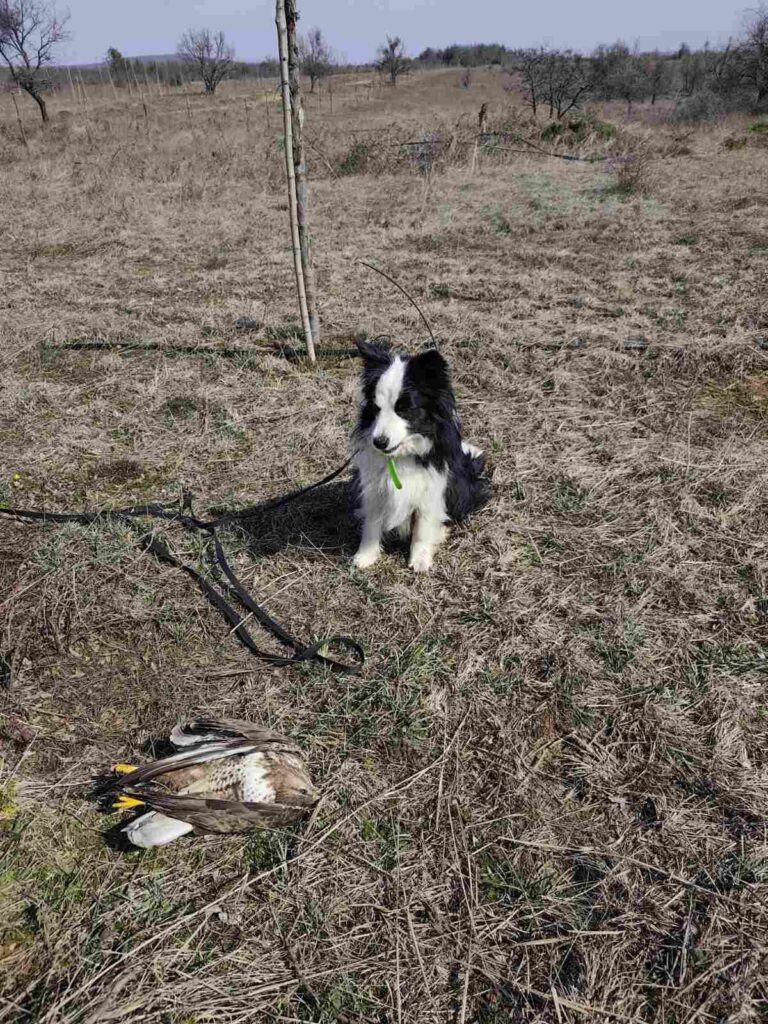
Most of the victims were found a few days later by the teams of the Management Unit of NECCA and the Soufli Forestry Office in collaboration with four Poison Canine Detection Units (EMADD): one of the Society for the Protection of Biodiversity in Thrace, one of the 2nd Hunting Club of Orestiada, and two of NECCA.Luckily, they retrieved two other Cinereous Vultures that were intoxicated but still alive and entrusted them to the veterinary team.
During the following days, the search followed the GPS signal of one Cinereous Vulture monitored by the Bulgarian Ornithological Society. On March 19, thanks to collective efforts, the incident counted a total of 12 Cinereous Vultures among its victims: 9 dead and 3 still alive. The teams have also identified that the poison baits were parts of a roedeer that had been cut into pieces and left in the wild to kill wildlife. The search is still ongoing, with the assistance of t the Department of Environment and Hydroeconomics of the Evros Regional Unit and the Federal Game Guard.
Long-term consequences
Cinereous Vultures, like most vulture species, take years to become sexually mature, and each successful pair produces only one chick. Therefore, any loss among adult birds, especially during the breeding season, takes a worrying toll on the colony. The 12 Cinereous Vultures involved in the incident so far represent almost 10% of the local population. One criminal action could overturn decades of conservation efforts.
The investigation is still ongoing. We ask the Greek authorities to consider this as a priority case, and that all methods and resources are made available so that a proper forensic criminal investigation is done, which is able not only to identify the poisoning substance but also a suspect(s), so that an exemplary judicial process can result in punishment of this huge environmental crime. The use of poisoned baits is illegal, immoral, and dangerous for wildlife and public health, and authorities need to act to end the sense of impunity that is leading to the frequent and widespread occurrence of poisoning incidents.
Source: NECCA
LIFE Rhodope Vulture
Co-funded by the LIFE Programme of the European Union and Rewilding Europe, The LIFE Rhodope Vulture project is dedicated to the recovery of the Cinereous Vultures population in the Rhodope mountains, between Bulgaria and Greece. The project aims to increase food availability for the species and address human wildlife conflicts. It will reintroduce birds from Spain to establish a new colony in Bulgaria and conserve the Greek colony in Dadia-Lefkimi-Soufli National Park. Lastly, the project aims to foster cooperation among local businesses, conservation initiatives, and stakeholders, and raise awareness about the ecological benefits of Cinereous Vultures. The project duration is 5 years, from June 2024 to May 2029. The total budget is €4,160,118 Euro. It is coordinated by Bulgarian Society for the Protection of Birds (BSPB) with the participation of Rewilding Rhodopes Foundation. It also benefits from international collaboration, including the Vulture Conservation Foundation.